

 English
 French
 Spanish
 Russian
 Korean
 Japanese
How to Blend Paprika Oleoresin with Other Natural Pigments?
In today's market driven by individuality and differentiation, standard reds alone can no longer meet the needs of food and beverage brands seeking distinctive visual identities. Traditionally, many manufacturers have been constrained by the inherent color spectrum of single natural pigments—Paprika Oleoresin offers warm red-orange, turmeric delivers bright yellow, beetroot red presents pinkish-purple—yet often find these single hues either fall short of ideal brand colors or face stability challenges in specific applications. This creates a widespread industry innovation bottleneck: How to achieve rich, stable, unique, and compliant color expression without compromising “clean label” standards?
Paprika Oleoresin, with its exceptional coloring power, excellent fat solubility, and good heat stability, provides an ideal “foundational color palette” to overcome this challenge. It serves not only as a powerful engine for red hues but also as a fundamental base color for scientifically blending with other natural pigments, unlocking infinite possibilities.
Transforming paprika oleoresin from a “single pigment” into the “core of a color blending system” is a crucial step toward unleashing the full potential of natural pigments and driving visual innovation in products. Green Spring Technology believes that mastering the science and art of blending will provide brands with a decisive, hard-to-imitate color advantage in intense market competition.
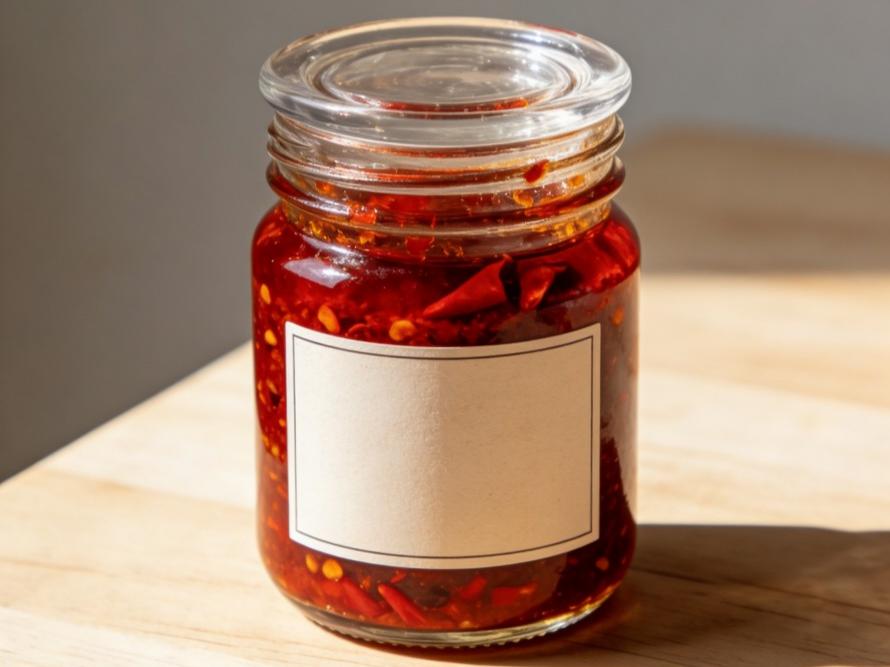
Part One: Scientific Blending Principles: The Foundational Logic of Color Palettes
Successful blending of natural pigments is far more than simple physical mixing; it is a precise discipline integrating color science, food chemistry, and process technology. Based on extensive application experience and experimental data, Green Spring Technology has established a systematic blending logic designed to transform artistic color visions into predictable, repeatable, and mass-producible scientific solutions.
I. Foundational Color Theory: Mastering the Rules of Light and Color
All blending begins with understanding how color is generated and interacts. We primarily adhere to two classic principles:
1. Additive Color Mixing Principle:
· Application: Primarily applicable to light mixing, yet crucial for understanding pigment absorption and reflection of light.
· Formulation Insight: When annatto resin (primarily absorbs blue-green light, reflects red-yellow light) combines with ginger yellow pigment (primarily absorbs blue light, reflects red-green light), their overlapping reflected spectral bands create an orange perception in the human eye. Mastering each pigment's spectral absorption characteristics is fundamental to predicting the resulting color.
2. Subtractive Color Mixing Principle:
· Application Scenario: This is the core principle of pigment/dye blending. Pigments reveal color by absorbing (subtracting) specific wavelengths from white light.
· Blending Insight: Proportionally mixing capsanthin (subtracts blue-green) with gardenia blue pigment (subtracts red-yellow) enables them to absorb a broader spectrum of light waves, ultimately yielding deep purple or crimson hues. This requires precise control of component ratios to achieve the target hue.
II. Three Core Blending Strategies
Based on the above principles, we summarize three efficient and practical blending approaches:
1. Same-Color-Family Enhancement Strategy:
· Objective: Boost color saturation, brightness, or subtly adjust hue shifts.
· Classic Combination: Annatto + Cochineal Orange.
· Scientific Explanation: Both share similar hues (red-orange spectrum) but exhibit subtle differences in absorption peak and intensity. When blended, they collectively “cover” a broader or stronger red wavelength range, yielding a more vivid, intense, and glossy red than either pigment alone—ideal for products requiring high visual impact.
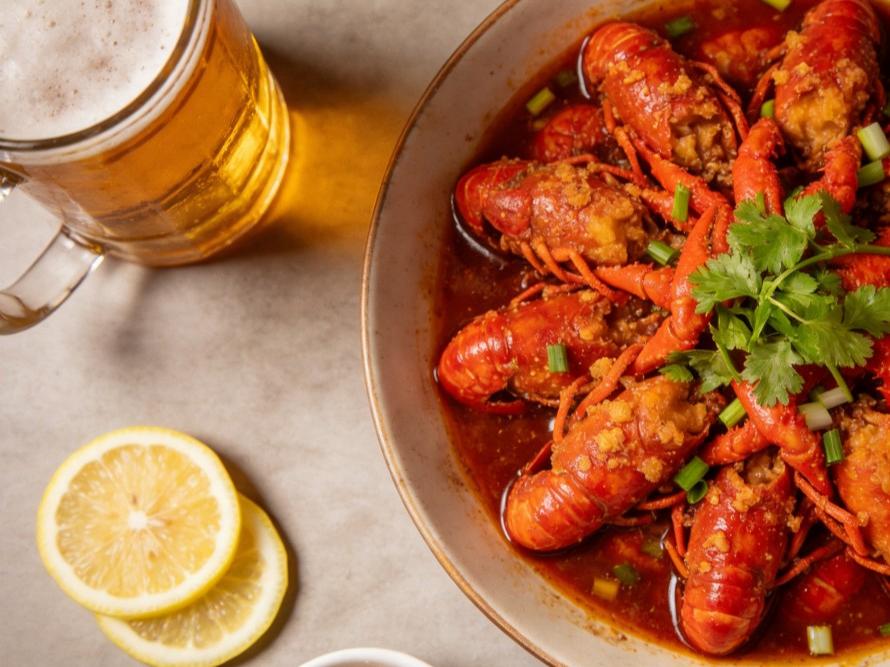
2. Functional Synergy Strategy:
· Objective: Achieve target coloration while enhancing overall system stability or adding functional benefits.
· Classic Combination: Annatto + Gardenia Blue → Purple hues with enhanced antioxidant properties.
· Scientific Explanation: Certain pigments like gardenia blue inherently possess antioxidant or pH stability properties. Blending them with capsicum oil resin not only creates a stable purple hue but also allows the antioxidant components to protect oxidation-sensitive capsanthin, achieving a synergistic stabilization effect where “1+1>2.”
III. Stability Matching: The Hidden Key to Successful Blending
Color matching is only the first step; ensuring the stability and synchronized performance of blended pigments in end products is crucial. Key considerations include:
· pH Stability Matching: Prevent situations where one pigment remains stable under acidic conditions while another severely fades.
· Thermal Stability Coordination: In high-temperature applications like baking, ensure similar thermal degradation rates for all components to prevent color deviation during processing.
· Photo-stability synchronization: For products requiring transparent packaging, minimize variations in photo-fading rates to maintain shelf-life color stability.
Mastering these scientific principles elevates compounding from trial-and-error to precision design. In the next section, we'll translate these principles into practical formulations and solutions for real-world applications.
Part II: Practical Application Formulations
Having mastered the science of compounding, the next step is translating it into actionable, mass-producible solutions. Based on deep insights into diverse end-use scenarios, Green Spring Technology has developed a series of validated classic compounding solutions, providing clear pathways and reliable support for product innovation.
I. Bakery & Snack Series: Infusing Warmth and Creativity
Baked goods demand exceptional thermal stability, oil dispersibility, and visually appealing color from colorants.
1. Sunlit Grain Bars & Energy Cookies (Warm Caramel/Golden Hues)
· Target Color: Simulate the warm golden tones of honey and caramel to convey natural energy.
· Recommended Solution: Paprika Oleoresin + Ginger Yellow Pigment.
· Practical Considerations:
· Proportion Suggestion: Start with a ratio range of 3:1 to 1:1. A higher proportion of capsanthin resin yields a golden-orange hue with greater warmth; a higher proportion of turmeric pigment produces a bright yellow with enhanced freshness.
· Stability Advantage: Paprika Oleoresin's excellent thermal stability effectively protects turmeric pigment during baking. Their combined use provides superior overall heat resistance compared to turmeric alone.
· Application Tip: Pre-dissolve pigments in the fat component of the formulation to ensure even dispersion in dough and prevent spotting.
II. Beverages & Dairy Series: Achieving Clarity and Vibrancy
Water-based or milk-based systems require pigments with excellent solubility, clarity, and light stability.
1. Sports Drinks & Fruit Juices (Vibrant Orange Range)
· Target Color: Lively orange hue mimicking natural fruit juices.
· Challenge: Paprika Oleoresin is fat-soluble and causes cloudiness when directly added to clear water-based drinks.
· Solution: Use pre-emulsified capsicum resin + water-soluble turmeric.
· Key Practice Points:
· Green Spring Technology provides specially emulsified annatto resin that forms stable, transparent microemulsions in aqueous systems.
· Blending with water-soluble turmeric allows precise adjustment of ratios to achieve vibrant orange hues ranging from honey orange to golden tangerine.
· Test the pH of the entire system to ensure color stability throughout shelf life.
2. Flavored Yogurt & Dairy Desserts (Soft Pink/Coral Tones)
· Target Color: Soft pink or coral hues for strawberry, grapefruit, and similar flavors.
· Recommended Solution: Emulsified Paprika Oleoresin + red beet powder/purple carrot juice concentrate.
· Practical Considerations:
· In the neutral to mildly acidic environment of dairy products, emulsifying capsicum resin combined with natural pigments from beets or carrots produces a very natural, appealing pink hue, avoiding the “plastic” appearance of synthetic dyes.
· Note that natural plant pigments may impart subtle flavors, which should be optimized through process and formulation adjustments.
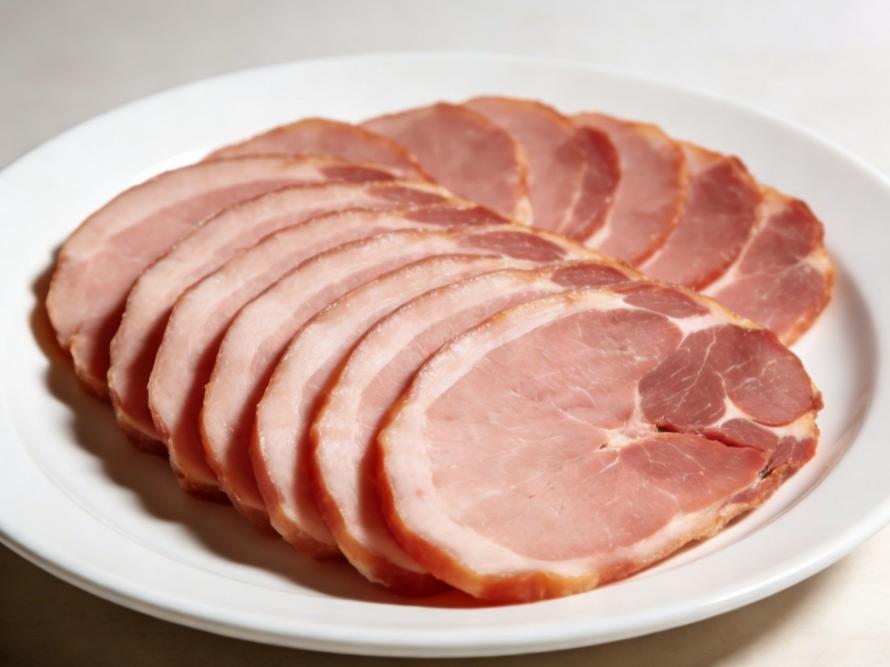
III. Meat Products & Seasoning Sauces: Deepening Authenticity and Richness
These applications require pigments that bind well with proteins and fats while mimicking post-cooking natural hues.
1. Plant-Based Patties & Sausages (Realistic “Cooked Meat” Color)
· Target Color: Mimic the internal-to-external browning and myoglobin hues of animal meat after cooking.
· Recommended Solution: Paprika Oleoresin + Caramel Color + Trace Red Yeast Rice.
· Practical Considerations:
· Paprika Oleoresin provides the foundational meat red hue.
· Caramel Color (especially acid-resistant types) adds brown tones, simulating the surface caramelization from Maillard reactions.
· Trace amounts of Red Yeast Rice can enhance the realism of internal “bloodiness.”
· This compounding approach must be closely integrated with processing methods (e.g., steaming, pan-frying) to simulate color changes across different cooking stages.
2. Compound Seasoning Sauces & Hotpot Bases (Rich Red Oil Hue)
· Target Color: Bright red, appealing oily sheen.
· Recommended Solution: Paprika Oleoresin (as base) + β-Carotene.
· Practical Considerations:
· Paprika Oleoresin itself contributes chili flavor, seamlessly integrating and enhancing the product's flavor profile.
· Adding a small amount of β-carotene (fat-soluble) brightens the red hue, rendering a more vivid, “luminous” red-orange in the oil. This boosts visual appeal and adds a dimension to nutritional value claims.
These practical solutions serve as validated starting points. Green Spring Technology's color expert team can build upon this foundation to deliver precise, customized development tailored to your specific product matrix, process parameters, and brand color standards.
Part Three: Green Spring Technology Professional Support
I. Sample Request Process
1. Submit Requirements: Specify target color, application scenario, and base formulation
2. Solution Design: Provide blending solutions and samples within 5 business days
3. Free Testing: Supply sufficient samples for efficacy validation
4. Optimization Confirmation: Adjust to satisfaction based on test results
II. Take Action Now
Obtain Your Custom Color Solution:
1. Submit color requirements and request free samples
2. Schedule an online technical meeting to discuss blending solutions
3. Receive the Natural Pigment Blending Application Guide
Green Spring Technology Color Innovation Center
Technical Hotline: +86 13649243917 (Color Application Consultation)
Service Email: helen@greenspringbio.com
Official Website: https://www.greenspringnatural.com
Let professional color solutions become the core competitive edge that differentiates your products.
-
Prev
Microencapsulated Paprika Oleoresin Enhances Coloration in Functional Foods
-
Next
Heat-Resistant : Green Spring's Paprika Oleoresin for Stable Color in High-Temperature Baking